01
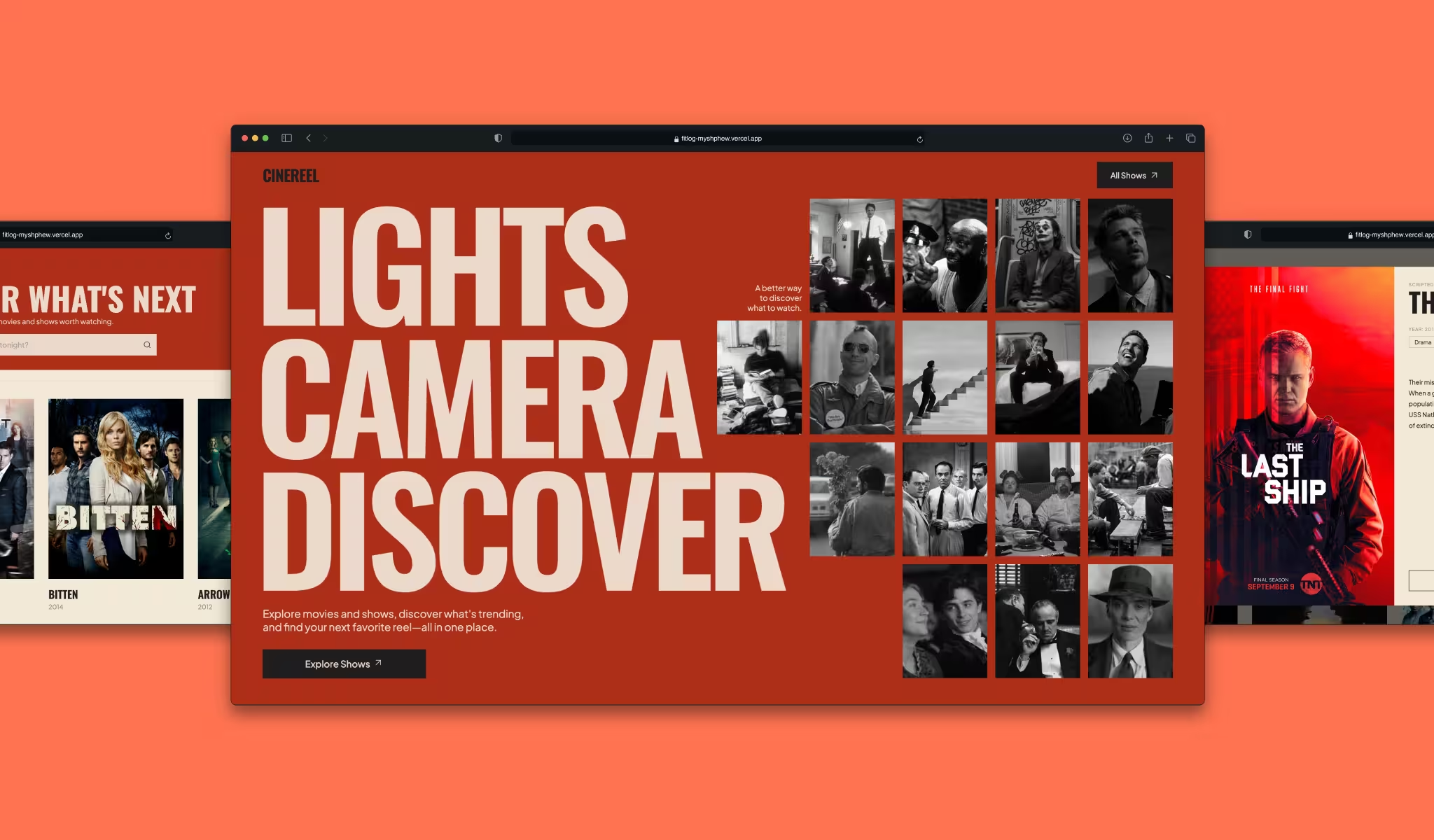
Film & television discovery
CineReel
A place to browse films and series, shaped around cinematic contrast and the small pleasure of finding what to watch next.
Explore the projectI'm Mushfique — a designer learning to build with code, exploring how thoughtful design and technology can make digital experiences feel as good as they work.
The details
are the direction.
The way light falls across a room. The rhythm of a well-written sentence. The small detail that makes an interface feel just right.
My background in visual design and UX taught me to look beyond appearances and think about the people behind every experience. Studying computer science is teaching me how to turn those ideas into something tangible.
Now, I'm exploring the space where design meets engineering — where thoughtful ideas become meaningful, working experiences.
Follow the journeyA NOTE ON CRAFTSMANSHIP
The beauty lies in what you notice.
The craft lies in what you make of it.
Good work doesn't always need to announce itself.
Each project begins somewhere different. Each one teaches me something new.
Film & television discovery
A place to browse films and series, shaped around cinematic contrast and the small pleasure of finding what to watch next.
Explore the project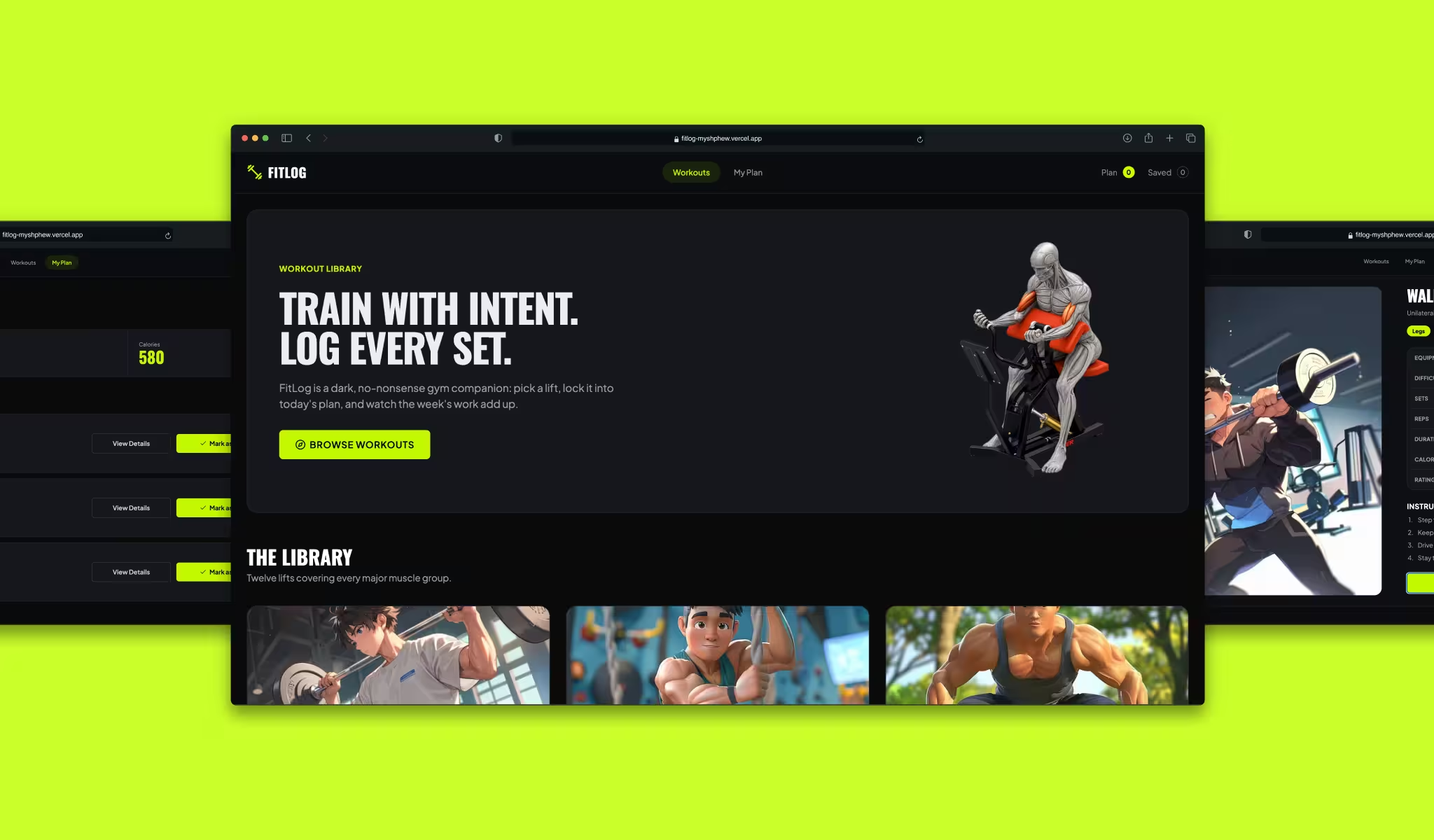
Workout library
A focused companion for discovering workouts, saving favourites, and planning the day’s training without the noise.
Explore the project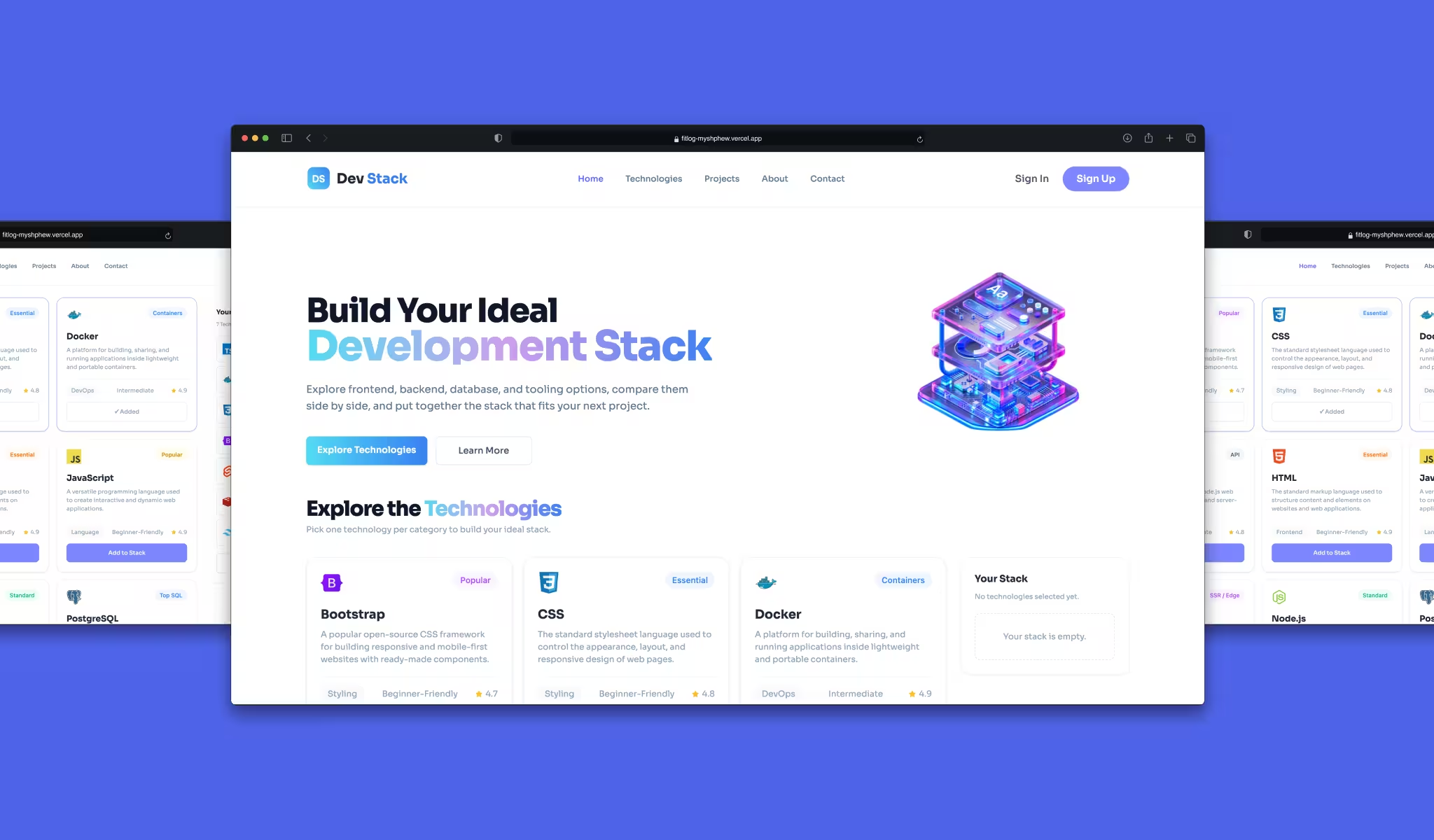
Personal tool
A small experiment in composing a development toolkit, and in making choices, state, and a responsive interface feel clear.
Explore the projectThese things find their way into how I see and make. Not as a formula, but as a way of paying attention.
Light, composition, and the moments that disappear before you can explain them.
A reminder that sometimes the simplest words carry the most weight.
A reason to pause, observe, and return to an idea with a little distance.
A quiet reminder that beauty doesn’t need to perform.
A collection of things that inspire me
I started by thinking about people, interfaces, and the relationship between what a product looks like and how someone experiences it.
Working with an ed-tech startup gave me the chance to contribute to multiple products from zero to one for a younger generation of users.
What happens after a button is clicked? How does information move through an application? What turns a considered design into a functioning product?
I wanted to understand the decisions behind the interface, not just the interface itself.
I'm studying Computer Science and Engineering at BRAC University while pursuing full-stack development.
I'm learning to connect the experience, the logic, the data, and the implementation. Still figuring things out — that's part of the point.
I'm not leaving design behind.
I'm learning how to build what I imagine.
The goal isn't to know every tool. It's to understand what I'm building and why.
Figma · Visual design · UX thinking · Visual storytelling
Next.js · TypeScript · Java · Express · MongoDB · Vercel
Visual Studio Code · Notion · Spotify · Discord
Bachelor's studies in Computer Science and Engineering.
Contributed to developing multiple ed-tech products from zero to one, designed for a younger generation of users.
We live in a time when making things is becoming easier, faster, and more accessible. AI is changing how we write, design, and build software.
I find that exciting. It also makes knowing why you're making something more important. When the tools can do more, judgment matters. When production gets faster, understanding matters.
I'm learning how to work with these tools without losing the curiosity that brought me here: understand the fundamentals, question the output, and make choices that feel like my own.
I don't want to create more just for the sake of creating more.
I want to make things with care.
My process isn't a checklist. It's a rhythm I return to whenever an idea starts taking shape.
Start with a question, a problem, or a feeling worth exploring.
Give the idea a shape. Think about its purpose, its people, and the details.
Step back. Let the idea breathe. Return with a different perspective.
Move beyond the canvas and work through what makes the experience function.
Let the idea meet the world. Learn what works, then keep going.
Not every idea makes it to the end.
Every attempt teaches me something.
I imagine a small studio where design and engineering aren't separate conversations — where visual judgment and technical understanding sit at the same table, and details are given room to matter.
It's an ambition, not a destination I've reached. For now, I'm learning, building, making mistakes, and working toward the kind of creative practice I'd like to share.